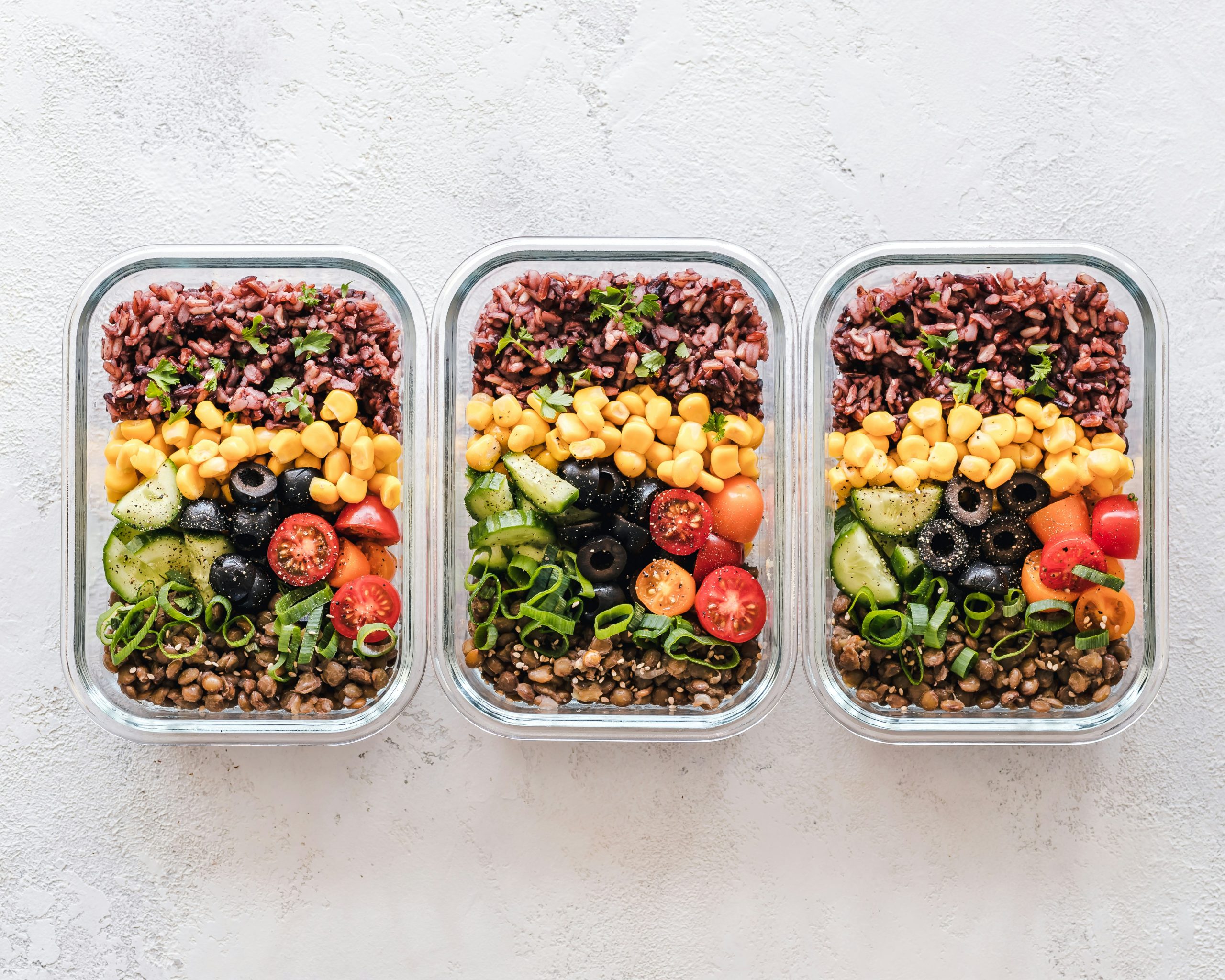
I spent a long time trying to meal plan properly before I accepted that I was using the wrong definition of “properly.”
Proper meal planning, as I understood it, meant sitting down on Sunday with a list of seven distinct dinners, cross-referencing ingredients, building a shopping list, and executing the week with something resembling intentionality. I tried this. It worked for about two weeks at a stretch before something interrupted it — a busy week, a kid getting sick, a night where the plan didn’t survive contact with what was actually in the fridge — and then I’d be back to 5pm improv.
The version that actually stuck is embarrassingly simpler. I stopped planning meals and started planning components.
The formula: one protein, one grain, one vegetable. Get comfortable making those three things well. Then rotate the seasoning to keep it from feeling like the same meal every night, because it is the same meal every night and there’s no reason to pretend otherwise to yourself.
In practice this looks like: chicken thighs are the protein most weeks, because they’re forgiving and cheap and you can’t really ruin them. Rice is the grain because we have a rice cooker and it does the work without supervision. The vegetable is whatever’s in the produce drawer or the freezer.
What changes is how it’s seasoned. Monday might be a soy-ginger situation — a little soy sauce, a little sesame oil, some garlic, done. Wednesday the same chicken gets salt, pepper, a little olive oil, lemon if we have it. Friday it’s Greek-ish: oregano, garlic, the lemon again. Same structure. Different enough that it doesn’t feel like a punishment.
The thing I had to get over: the idea that variety has to come from making different things. It doesn’t. Variety can come from changing one variable in a consistent system, which is also how I think about most things that work reliably at scale, but I try not to say that out loud too often because it sounds insufferable.
The other thing I had to get over: the idea that this counts as meal planning. It doesn’t, really. It’s more like having a settled answer to the question “what are we having for dinner” so that question stops costing mental energy every single evening. The answer is always roughly the same. The details vary enough to be fine.
If you’re looking for a rigorous meal prep methodology, I’m not going to be useful to you. If you’re looking for a way to stop reinventing dinner five nights a week, this is the thing that worked for us: pick one protein you’re good at, pick one grain that’s easy, pick vegetables you’ll actually eat, and stop auditing the seasoning choice. Rotate through three or four flavor profiles and call it done.
It is not interesting. It is repeatable, which turns out to be the thing I actually needed it to be.
→ Free: The Sunday Reset Checklist
The 15-minute Sunday habit that keeps our week from being a complete ambush.